Soothe Exam Pressures with Gentle Ways to Support Better Sleep
Sleep is food for the brain. Yet during periods of pressure — like exam season — sleep is often the first thing to suffer. As revision ramps up and stress levels rise, many young people (and the families supporting them) can find themselves caught in a cycle of restless nights and tired, anxious days.
Quality sleep is essential not only for emotional balance, but also for learning, memory and resilience. When sleep is disrupted, concentration slips, stress hormones rise and even simple tasks can feel overwhelming. The good news is that small, mindful changes can make a powerful difference.
With exam pressures approaching, now is the perfect time to explore gentle, holistic ways to support better sleep — helping young people feel calmer, clearer and more confident. These ideas can also help anyone who struggles to switch off and unwind.
Tinkering with Sleep Patterns Can Send Us into a Spin
Our quality of sleep affects how we feel just as much as the quantity. Did you know that simply sleeping in at weekends can leave you feeling groggy and out of sorts on Monday morning? It feels a lot like jet lag and highlights how even small changes to our usual sleep routine can have a big impact.
On the other hand, a truly nourishing sleep — where you drift off easily at your usual time and wake naturally — leaves you feeling bright, refreshed and ready for the day ahead.
So how do you turn the tide, quieten a busy mind and enjoy refreshing sleep, even during exam stress? Let’s explore what students can do to bring better sleep back on the menu.

The Mystery of Sleep
Plants do it. Animals do it. Insects do it too. Even some bacteria have circadian cycles, guiding them when to rest and when to wake in their own unique way.
Dolphins sleep with one eye open and half of their brain switched off. Bees need roughly the same amount of sleep as humans. Snails can snooze for up to three years at a time, hibernating season after season. Despite the fact that humans spend around a third of their lives asleep, science is still learning exactly why sleep is so vital.
One thing is certain — our memories are stronger when we sleep between learning something and needing to remember it. This is why sleep is so important during exam season.
Simply revisiting topics you find challenging just before bed can help. Waking up to discover information has settled overnight feels almost magical — and that confidence alone can significantly reduce stress.
Sleepy Science & How to Sleep Better
Some experts suggest sleep helps repair and maintain the brain, while others believe it plays a vital role in memory formation — helping us organise, strengthen and store what we’ve learned.
What we do know is that our state of mind directly affects how much stress we feel, and stress strongly influences sleep quality. Gently shifting mindset and calming the nervous system can make falling asleep far easier.
There are four key ways mindset affects our stress response — and in turn, our sleep. Combining these with simple bedtime rituals can make a noticeable difference.
Shifting Attention
A positive mindset helps shift focus away from worries and towards the body and the present moment. Gentle yoga stretches, light meditation and slow movement before bed are ideal — soothing rather than stimulating.
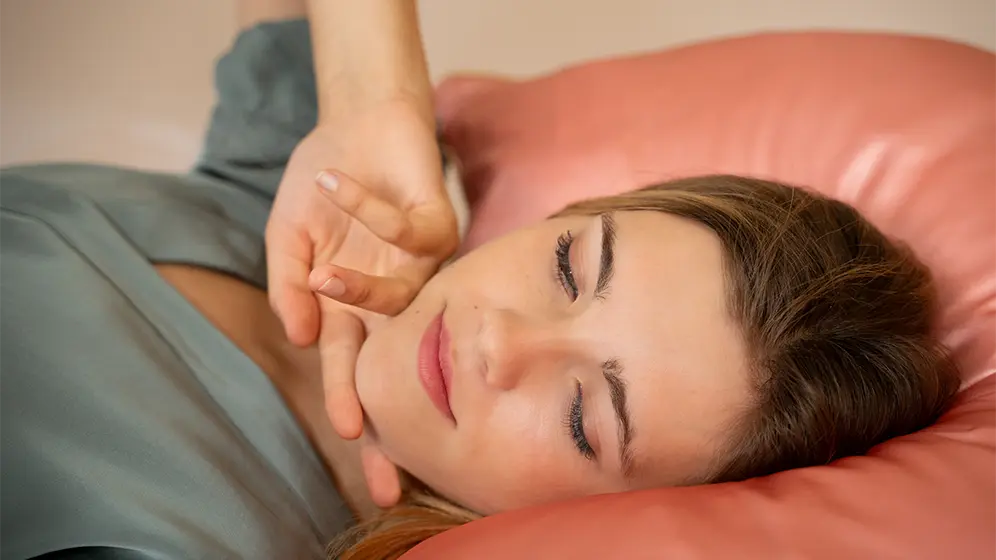
Soothing scents and light self‑acupressure can also help. Inspired by Traditional Chinese Medicine, self‑acupressure uses gentle massage to calm the nervous system and encourage relaxation.
The Yin Tang (Third Eye) point sits just above the brow line between the eyebrows. Gently massage this area with your fingertips or use a weighted eye pillow for a deeper effect. Another calming point is Shen Men (Spirit Gate), found on the upper ear. Close your eyes, breathe slowly and notice how your body softens.
Hormones
During adolescence, hormonal changes are already significant. Added stress can increase cortisol, which interferes with sleep‑regulating hormones.
Support natural sleep rhythms by avoiding blue‑light devices such as phones and tablets for at least an hour before bed and sleeping in darkness. If a small light is needed for comfort, a light‑blocking eye mask can help — easy to remove in the morning while still supporting deeper rest.
Positivity
A positive mindset doesn’t ignore difficult emotions, but softens them with feelings of hope and resilience. Viewing stress as something that can be helpful rather than harmful has been shown to reduce its impact.
Journaling can support this shift. Keep a notebook by the bed and write down anything that’s worrying you before sleep. In the morning, revisit it with fresh eyes and write down more balanced or positive responses.
Behaviour
When stress feels overwhelming, the body often shifts into fight or flight. Breathing techniques are a gentle yet powerful way to interrupt this response.
The 4‑4‑4 breathing method is simple to remember: breathe in for four seconds, hold for four seconds, then breathe out for four seconds. This slows the heart rate, relaxes the muscles and helps calm the brain — often more effective than counting sheep.

Rest Well, Revise Better
Exams may be demanding, but exhaustion doesn’t have to be part of the process. Supporting sleep is one of the kindest and most effective ways to support learning, emotional wellbeing and long‑term resilience.
Simple rituals — dimming lights, slowing the breath, easing tension and creating a calm bedtime environment — help signal safety to the nervous system. Over time, these habits gently counteract stress and allow sleep to return naturally.
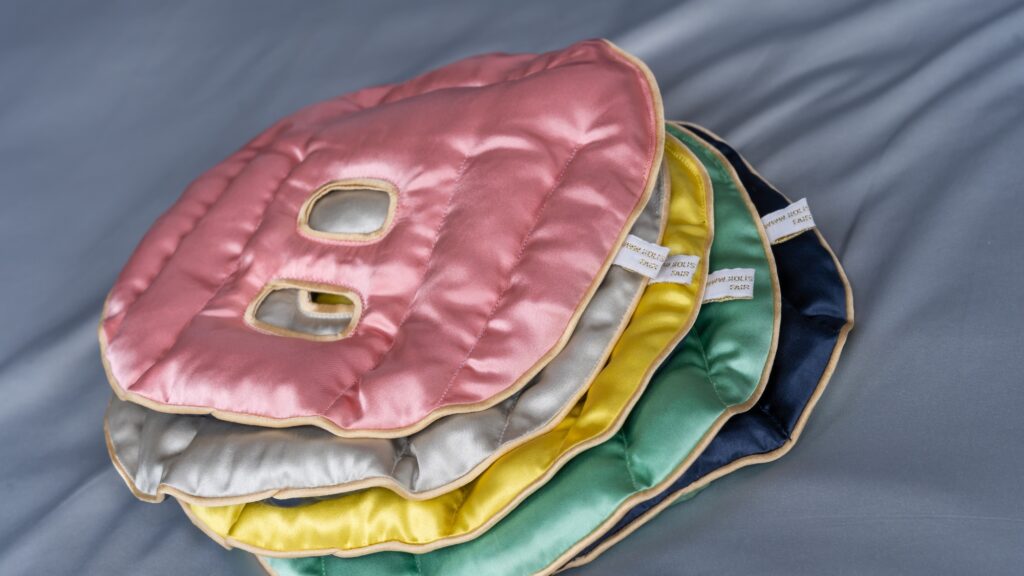
At Holistic Silk, we believe rest is not a luxury — it’s a foundation. Our thoughtfully designed sleep products, from light‑blocking Eye Masks to soothing Eye Pillows, are created to support relaxation, comfort and deeper rest during life’s more demanding moments.
Because when the mind is rested, everything feels more possible.
Original text written by Holistic Silk, edited with the help of AI.


Frequently Asked Questions
Why is sleep so important during exam season?
Sleep supports memory, concentration and emotional balance. Well‑rested students are better able to retain information, manage stress and perform at their best.
How can students improve sleep while revising?
Keeping a consistent bedtime, reducing screen time, using calming breathing techniques and creating a peaceful sleep environment can all help improve sleep quality.
Do eye masks really help with better sleep?
Yes. Light‑blocking eye masks support melatonin production by creating darkness, helping you fall asleep more easily and sleep more deeply.
Is journaling before bed good for stress?
Writing worries down before sleep helps clear the mind, reduce anxiety and make it easier to relax at bedtime.
Are holistic sleep tools suitable for teenagers?
Gentle tools such as silk eye masks, eye pillows and calming bedtime rituals are safe, non‑invasive and supportive for teenagers when used as part of a healthy sleep routine.