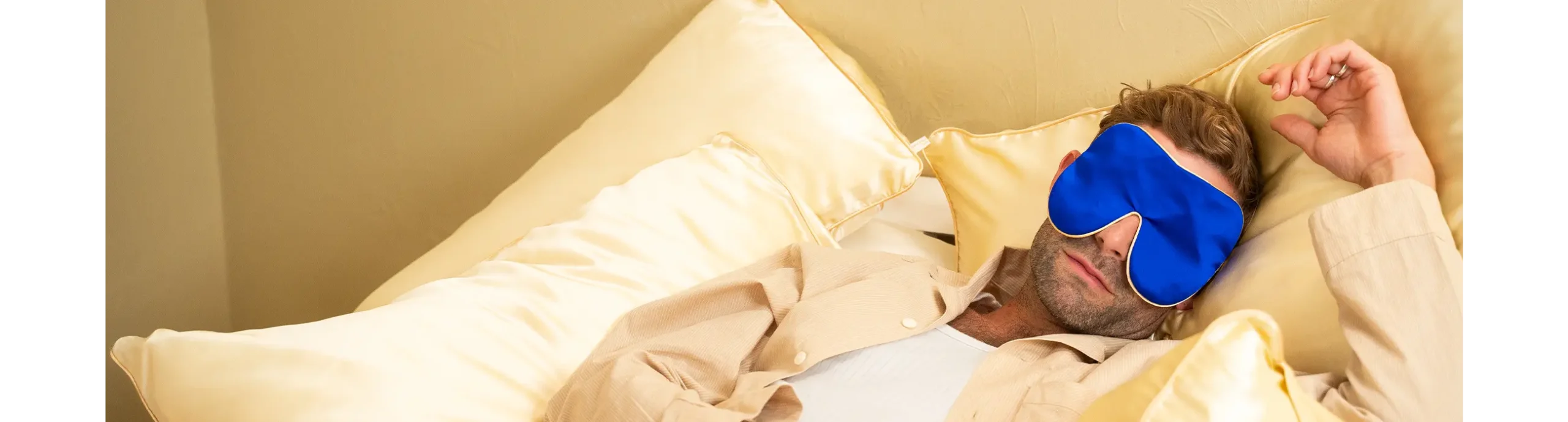
Embracing Solo Sleeping
Why a “Sleep Divorce” May Be the Secret to Better Rest
You might remember a time when it was perfectly normal for our grandparents to sleep in separate beds — sometimes even in separate rooms. It turns out they may have been onto something. Today, choosing separate beds, or what is now called a “sleep divorce,” is becoming increasingly common for couples of all ages.
Snuggling up to a loved one as you drift off can be wonderful. But what happens when snoring, fidgeting, duvet stealing or sleep talking make nights far less peaceful than your days together? For many, a sleep divorce offers a practical and loving solution.
Why Sleeping Separately Isn’t a Bad Thing
Although “sleep divorce” is a harsh modern term, the choice to sleep apart has been genuinely life‑changing for many couples. Sharing a bed with someone whose sleep patterns differ from your own can seriously affect the quality of your rest. Poor sleep doesn’t just make mornings difficult — it impacts your emotional wellbeing, your focus, and even your patience with the person you love.
It’s no surprise that early‑morning arguments often stem from disrupted sleep.
The good news? More people are openly discussing the benefits of solo sleeping, and the old idea that sleeping apart signals relationship trouble is fading fast. In truth, prioritising healthy sleep supports every aspect of life, including your relationship.

The Growing Trend of Solo Sleeping
Sleep experts — and couples who practice sleeping separately — say that embracing a sleep divorce can be a proactive, thoughtful choice. Sleeping apart works especially well when couples have:
- Different sleep schedules
- Snoring issues
- Restless leg syndrome
- Different temperature or mattress preferences
- Light‑sleeping tendencies
When these factors collide, shared sleep can become a nightly battle rather than a restful experience.
Poor sleep can lead to irritability, low cognitive function and, within relationships, unnecessary conflict. By prioritising individual sleep needs, couples often create a calmer, more understanding environment during waking hours.
That said, it’s essential to discuss the idea openly before committing. A sleep divorce isn’t for everyone — and communication is key.
How to Navigate the Conversation
Being honest and kind is crucial. Avoid placing blame for something your partner may not be able to control (such as snoring or restless legs). Open conversations help reduce misunderstandings and make it clear that this is a decision rooted in care, not distance.
Like many aspects of a relationship, it’s about balance, compromise and respecting each other’s needs.
And remember, it doesn’t need to be permanent or every night. Many couples sleep separately during the week to feel well‑rested for work, then enjoy cosy shared weekend nights.
Could a Sleep Divorce Transform Your Rest?
If you’re struggling with disrupted sleep, you’re certainly not alone — and you might find that solo sleeping is a gentle, restorative solution. It could be the life changer you didn’t know you needed.
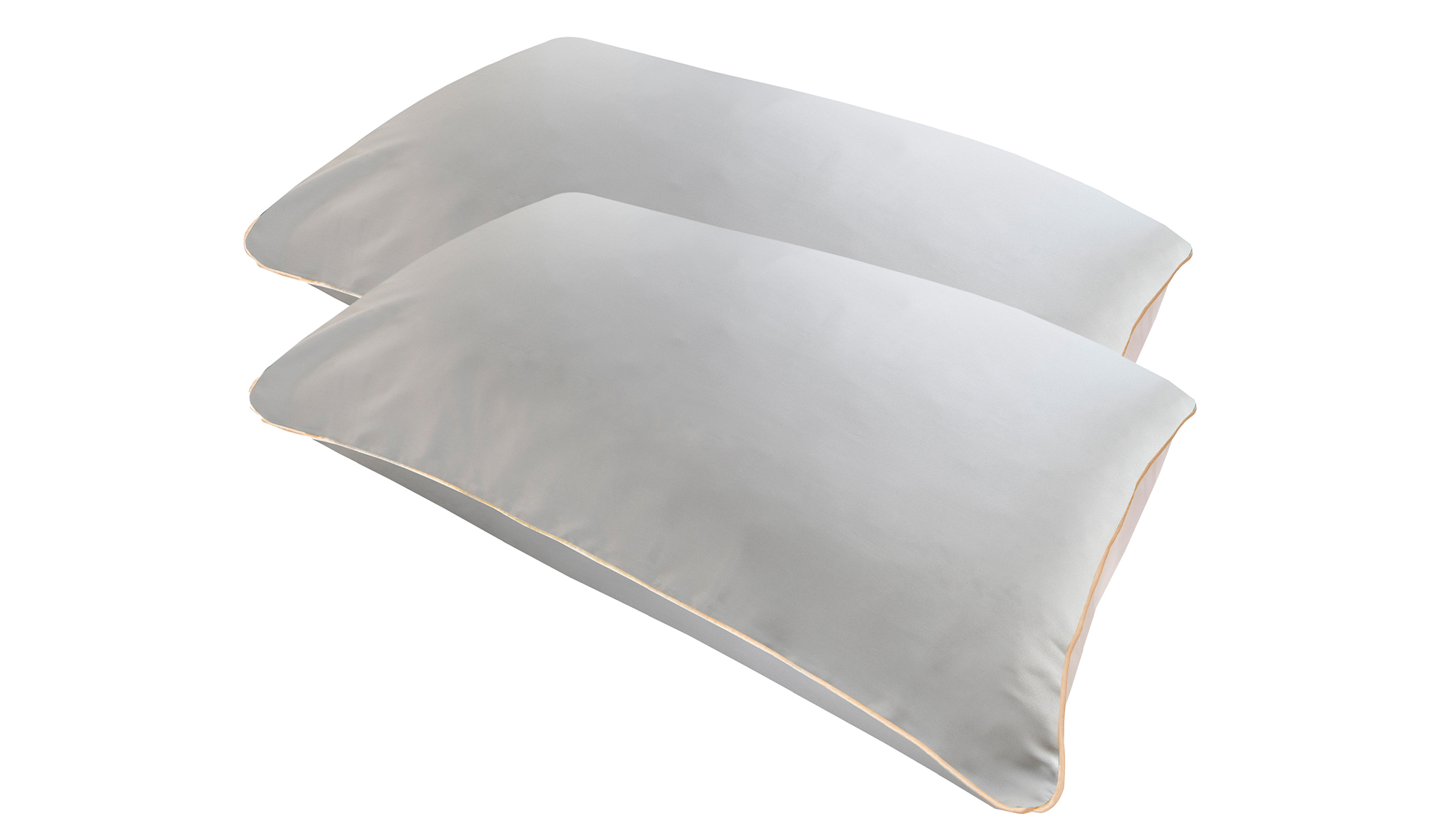
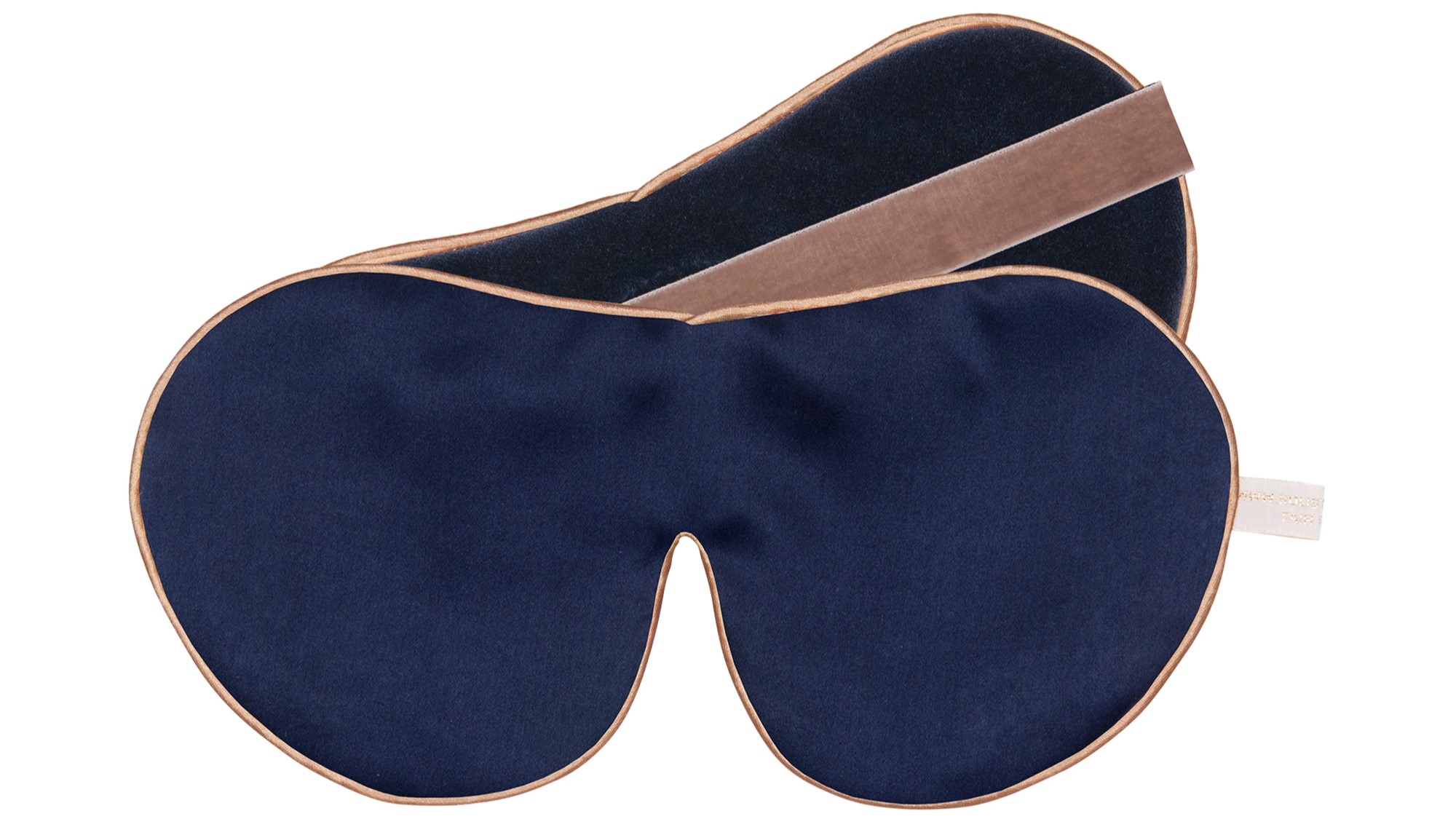
Why not make those solo hours even more luxurious? Enhance your sleep ritual with our carefully crafted Silk Pillowcases designed to care for your skin and hair overnight. Or slip into deeper, more restorative rest with our Silk Sleep Masks, made to block out sleep disturbing light and calm both body and mind.
Better sleep isn’t selfish — it’s essential.
And sometimes, it starts with giving yourself (and your partner) the space to truly rest.
Original text written by Holistic Silk, edited with the help of AI.

Frequently Asked Questions
Is a sleep divorce a sign of relationship trouble?
No. For many couples, sleeping separately is a practical way to improve rest and strengthen the relationship. Better sleep often leads to better communication and emotional resilience.
Can we still stay emotionally close if we sleep apart?
Absolutely. Quality time, affection and communication happen during the day — not just at night. Many couples report feeling closer because they are better rested.
Should a sleep divorce be permanent?
Not necessarily. Some couples sleep apart only during the week, while others switch back and forth. It’s about finding what works best for both partners.