Expert Sleep Advice – How to Manage the Clocks Changing
It’s almost time for the clocks to go forward. Are you one of the lucky people who bounce out of bed afterwards, unaffected by the hour’s time difference? Or do you drag yourself up at a time that feels strange, spend the day in a daze, then go to bed at the wrong time for your body and mind – maybe for days or even weeks?
If it’s the latter, Spring may lose some of its shine thanks to feeling out of sorts, jetlagged or fuzzy. Thankfully, there are ways to ease the transition. If you dread the clocks going forward, here are some expert tips for coping with getting up an hour earlier.
Tips to Manage the Clocks Going Forwards
You’ll be going to bed an hour earlier, often not feeling tired enough to sleep, then waking an hour earlier than usual and wishing you could stay in bed. Try these practical steps to help your body gently adjust to the start of Spring.
Shift Your Bedtime Gradually
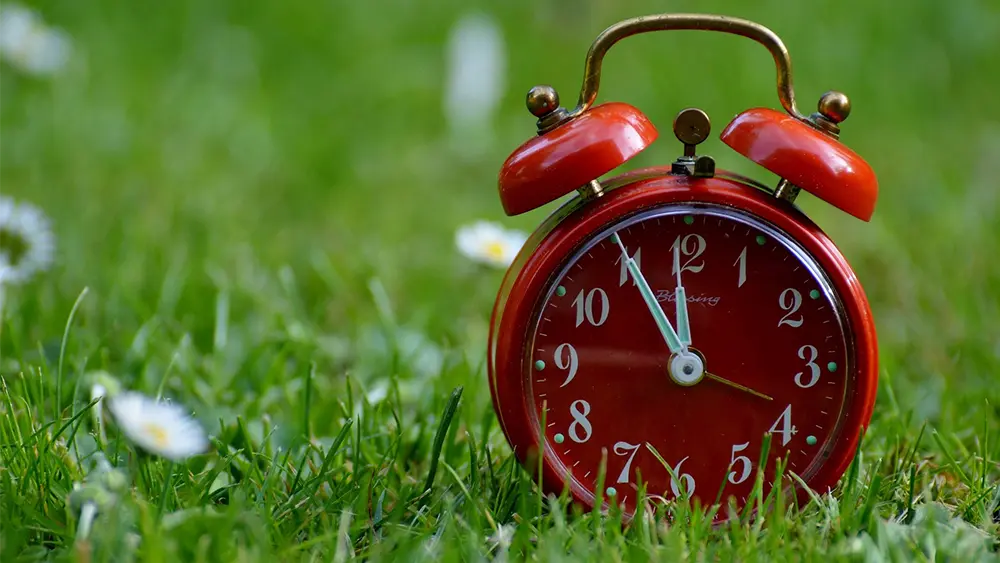
Instead of trying to go to bed a whole hour earlier in one night, try going to bed 15 minutes earlier over four days. A herbal remedy like Valerian can support this process. It’s available as tea, pills or capsules, taken around 45 minutes before bedtime.
Reduce Caffeine to Support Natural Sleep
Tea and coffee are full of caffeine, which can make dropping off difficult. Going caffeine-free the day after the clocks change helps you feel naturally more tired, reducing the wired feeling that disrupts healthy sleep.
Eat According to the New Time
Jetlag research suggests that eating according to the new time zone helps the body adjust quicker. Even if you don’t feel hungry an hour earlier than usual, eating breakfast at the new “right” time supports your internal clock in resetting.
Support Sleep with Probiotics & Relaxation
Probiotics can promote better sleep — but there’s no need to buy special supplements. Everyday yoghurt contains beneficial bacteria that can support digestion and sleep. A long bath with lavender bath oil can also help relax the mind and ease you towards sleep earlier than usual.
Use Positive Inner Language
If your inner dialogue is full of dread, frustration or tiredness, it can make adjusting feel much harder. Reframing your thoughts more positively can genuinely improve mood and energy during the transition. Small changes in mindset can have big effects on how quickly your body adapts.
Get Fresh Air & Daylight to Strengthen Your Body Clock
Try to get outside as much as possible. Even on cloudy days, natural daylight helps regulate your internal body clock. Gentle outdoor exercise can also tire the body in a balanced way and help you fall asleep more easily. Avoid exercising just before bed. Lavender drops on your pillow or a Lavender Eye Pillow can also help ease you into calm, restorative sleep.
Stick to – or Start – a Bedtime Ritual
If you already follow a sleep ritual, keep it going. If not, now is the perfect time to create one. A calming bedtime routine supports your transition into British Summer Time and beyond, signalling to both mind and body that it’s time to slow down and prepare for deep, restorative sleep. Our luxury sleep products can help you craft a routine that’s as beautiful as it is effective.
Original text written by Holistic Silk, edited with the help of AI.



Frequently Asked Questions
Why do the clocks going forward affect sleep?
Losing an hour disrupts your circadian rhythm — your body’s internal clock — which affects sleep, hunger and alertness. Even small time shifts can temporarily feel like jetlag.
How long does it take to adjust to the clocks changing?
Most people adjust within 2–5 days, though some may take up to a week. Gradually shifting bedtime a few days before and getting natural daylight can speed this up.
What is the best way to fall asleep earlier?
A consistent routine, reduced screen time, gentle relaxation tools like lavender, and avoiding caffeine can help the body wind down earlier.
Does exercise help with time changes?
Yes. Outdoor exercise boosts sleep pressure (your body’s natural drive to sleep) and helps regulate your circadian rhythm — just avoid late workouts.
Do sleep products like eye masks help?
Absolutely. light blocking eye masks, sleep inducing eye pillows and calming sleep accessories help block light, relax the senses and support deeper, faster sleep.