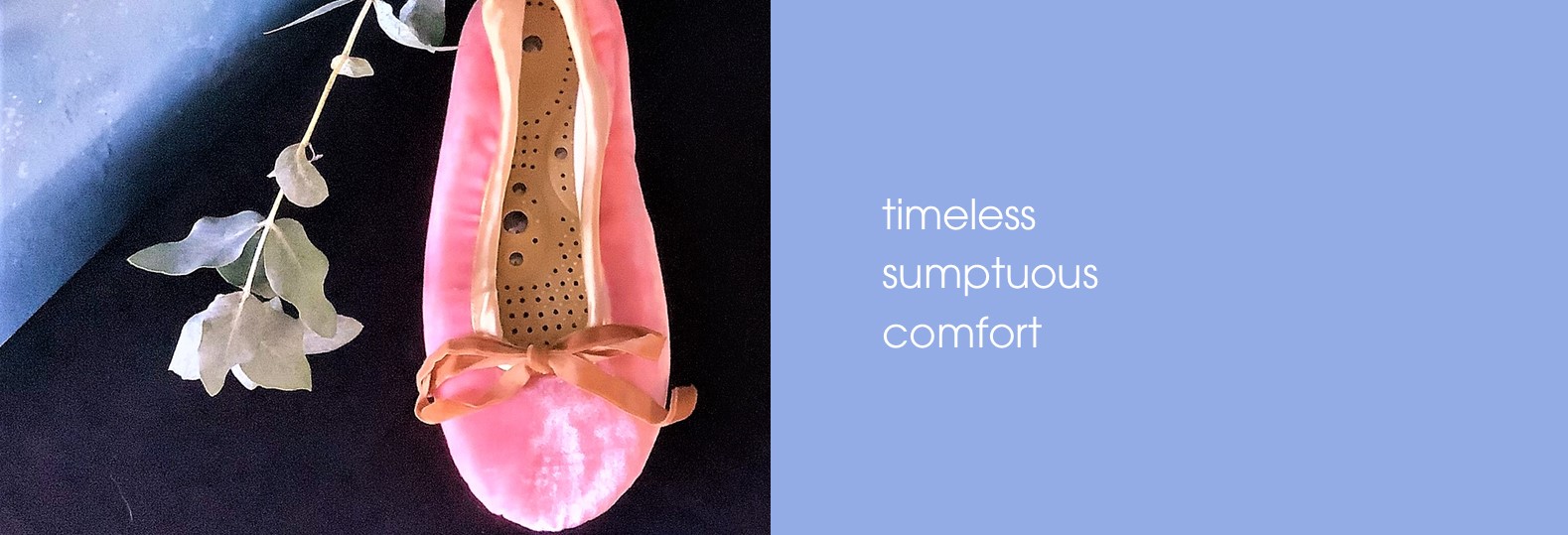
Our favourite Silk
Why We Love Silk Velvet: A Timeless Luxury Fabric
As you can tell from our name, we adore all silks. Silk Velvet however has to be one of our favourites.
The Beauty of Silk Velvet
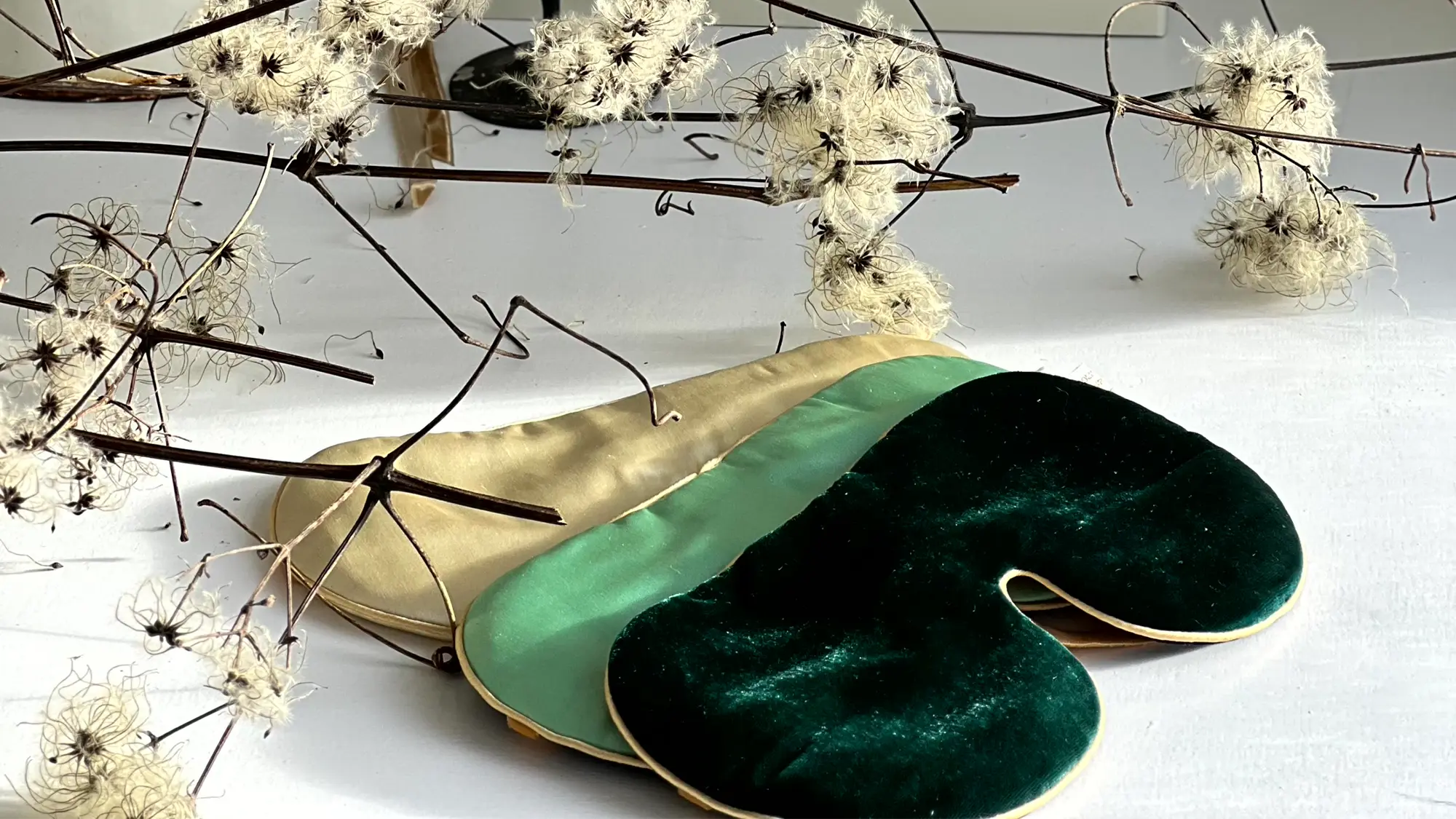
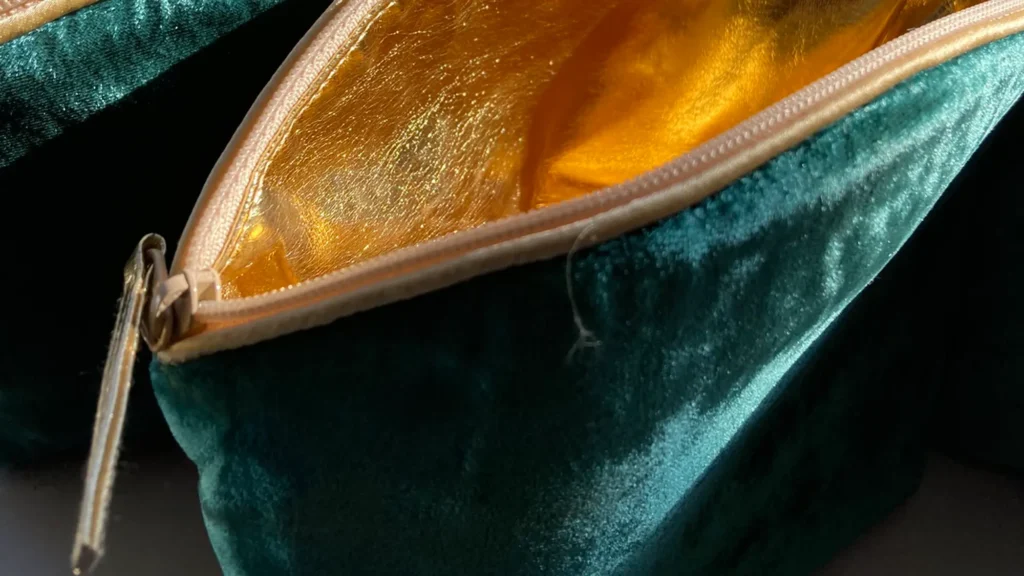
The weaving process and finish create the most lustrous colours (hard to capture in images, but trust us—they are truly beautiful). Its soft, comforting feel never fails to bring us joy.
A Fabric Fit for Royalty
We are in good company: luxurious velvet has been associated with royalty and nobility throughout history. The soft, plush texture of velvet, combined with the sheen and durability of silk, made it a favourite of those who seek elegance and opulence in their clothing and home decor.
Origins of Silk Velvet
Whilst the exact origins are not known, the earliest surviving examples date back to the 13th century. It is believed to have been first woven in the Middle East as early as the 9th century after being introduced by the Byzantines.
Skilled artisans used a technique called “cutting on the warp”, which involved cutting the pile loops on the warp threads to create a plush surface that was both soft and durable. From the Middle East, the art of velvet weaving spread to Europe, where it became especially popular among the nobility.
The Ottomans were renowned for their velvet textiles, often woven with gold or silver thread to create luxurious garments for the sultan and his court.
Silk Velvet Through the Ages
During the Renaissance, Silk Velvet was the fabric of choice for the most extravagant and sumptuous clothing. Kings, queens, and other members of the aristocracy wore velvet gowns, robes, and capes embellished with gold or silver thread, pearls, and precious stones. The opulence of the fabric reflected the wealth and power of those who wore it. It became a symbol of royalty and nobility so expect to see more than one example of this during the Coronation this weekend.
This sumptuous material continued to be popular among the upper classes throughout the centuries that followed. In the 18th century, it was used for men’s waistcoats and women’s jackets and gowns. During the Victorian era, it was used for drapery and upholstery, as well as for clothing. It was also a favourite of haute couture designers in the 20th century, who used it for evening gowns and cocktail dresses.
Global Significance
In addition to its association with royalty and nobility, silk velvet has also been used to symbolise wealth and status in other cultures. For example, in China, it was a sign of social and political status, and it was often used to create garments for the emperor and his court. In India, velvet it was associated with the Mughal Empire, and it was used to create elaborate garments for the royal court.
Modern Appeal
Today, silk velvet continues to be a favourite of designers and fashion enthusiasts who appreciate its beauty, softness, and versatility. While it is no longer reserved exclusively for royalty and the nobility, it remains a symbol of luxury and refinement. Whether used for clothing, upholstery, or home decor, it adds a touch of elegance and sophistication to any setting.
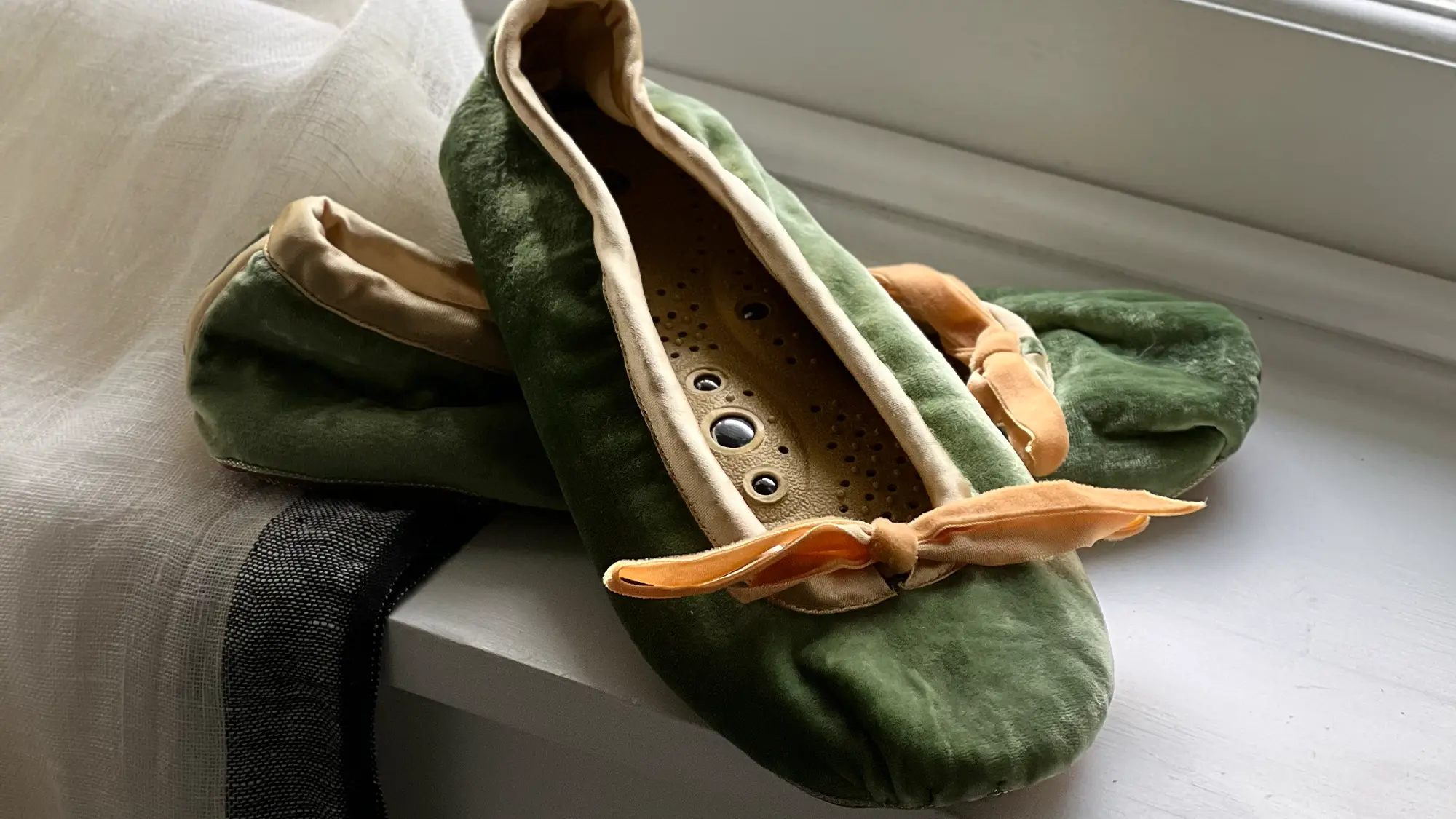
Why not add a touch of this to your nights with our collection of artisan made Silk Velvet Massaging Slippers, Silk Velvet Hot Water Bottles and Silk Velvet Sleep Masks.
Sweet Dreams x
Original text written by Joanna Weakley, edited with the help of AI.